There are many misconceptions about how dogs handle summer heat and what owners should or shouldn’t do. Often, what seems logical can actually cause more harm than good and may even lead to dangerous consequences. That’s why we’ve put together this guide with only the most useful and reliable facts.
Summer is in full swing, and the heat can be hard on everyone, but our beloved dogs suffer even more than we do. So how can you protect your dog from heatstroke and thermal shock? Let’s break it down step by step, including how to recognize when your dog needs urgent help.
Dogs Most at Risk
Any dog can suffer from heatstroke, but some are more vulnerable than others:
• Puppies under 5 months old (due to underdeveloped heat regulation)
• Young dogs under 2 years old who have never experienced intense heat before
• Dogs with cardiovascular or respiratory conditions
• Overweight dogs, whose hearts are under extra strain
• Longhaired and fluffy breeds, especially those that haven’t shed their undercoat
• Shorthaired, darkcolored dogs, as their skin is less protected from the sun
• Older dogs, often prone to heart issues
• Dogs that have moved from cooler to hotter climates
• Brachycephalic breeds (shortmuzzled dogs like pugs, bulldogs, etc.)
What You Should NOT Do
Many wellmeaning actions can actually worsen your dog’s condition in hot weather. Avoid the following:
• Don’t pour water on your dog’s back or head. For shorthaired dogs, this can expose the skin to direct sunlight. For fluffy dogs, the undercoat can stay wet and trap heat, making them even hotter.
• Don’t let your dog jump into cold water suddenly. Sudden temperature changes can shock their system and affect the heart or lungs. Let them enter gradually and only up to belly level at first.
• Avoid ice packs. Sudden cooling can cause more harm than good.
• Don’t give your dog icecold water. Offer cool, but not freezing, water.
• Don’t cover your dog with a wet towel. It may trap heat by compressing the fur. If using a damp cloth temporarily, regularly check underneath to ensure it’s still helping, not heating.
• Don’t shave fluffy dogs down to the skin. Their coat acts as protection from both sun and extreme temperatures.
Helping Your Dog Handle the Heat
Here’s how to keep your dog safe and more comfortable during hot weather:
• Walk during cooler hours, like early morning or late evening. Avoid midday heat, and keep walks calm and relaxed, opt for exploring over intense play.
• If you must walk in the heat, bring cool (not icecold) water, avoid hot pavement, and stay in the shade. Wet your dog’s belly or chest (not head or back) to help them cool down.
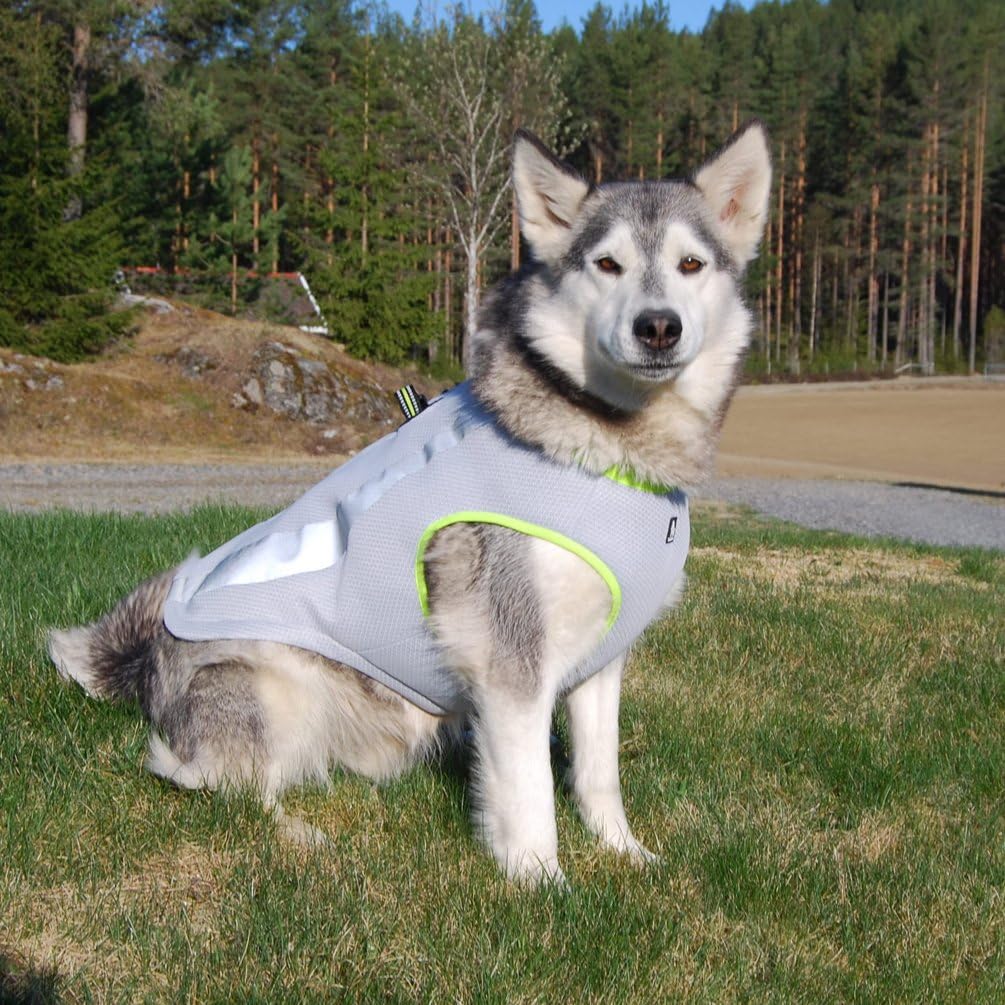
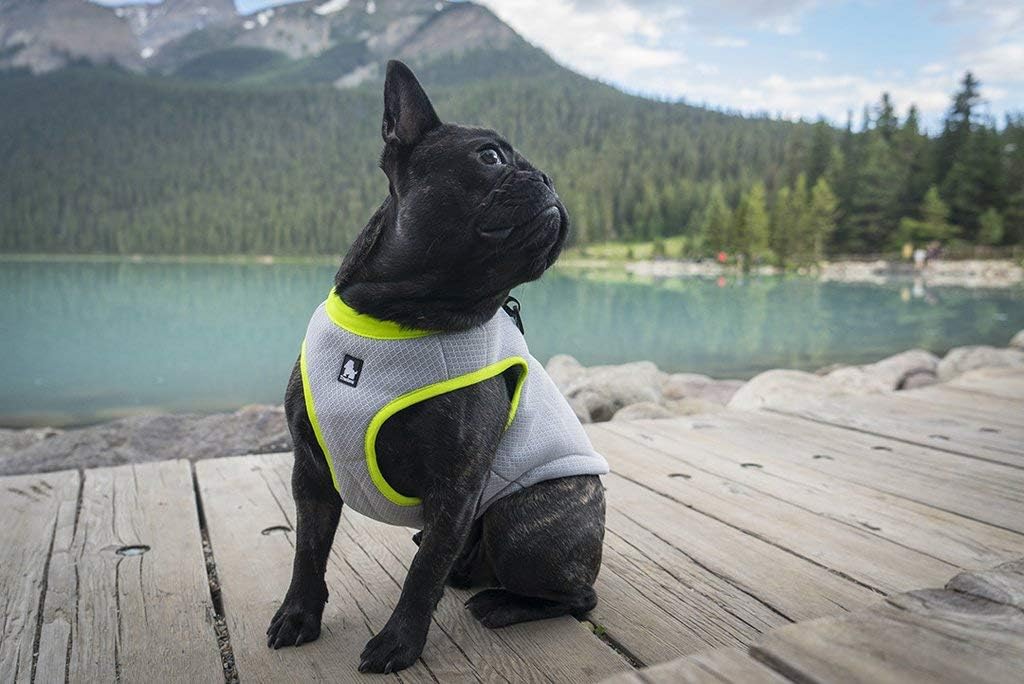
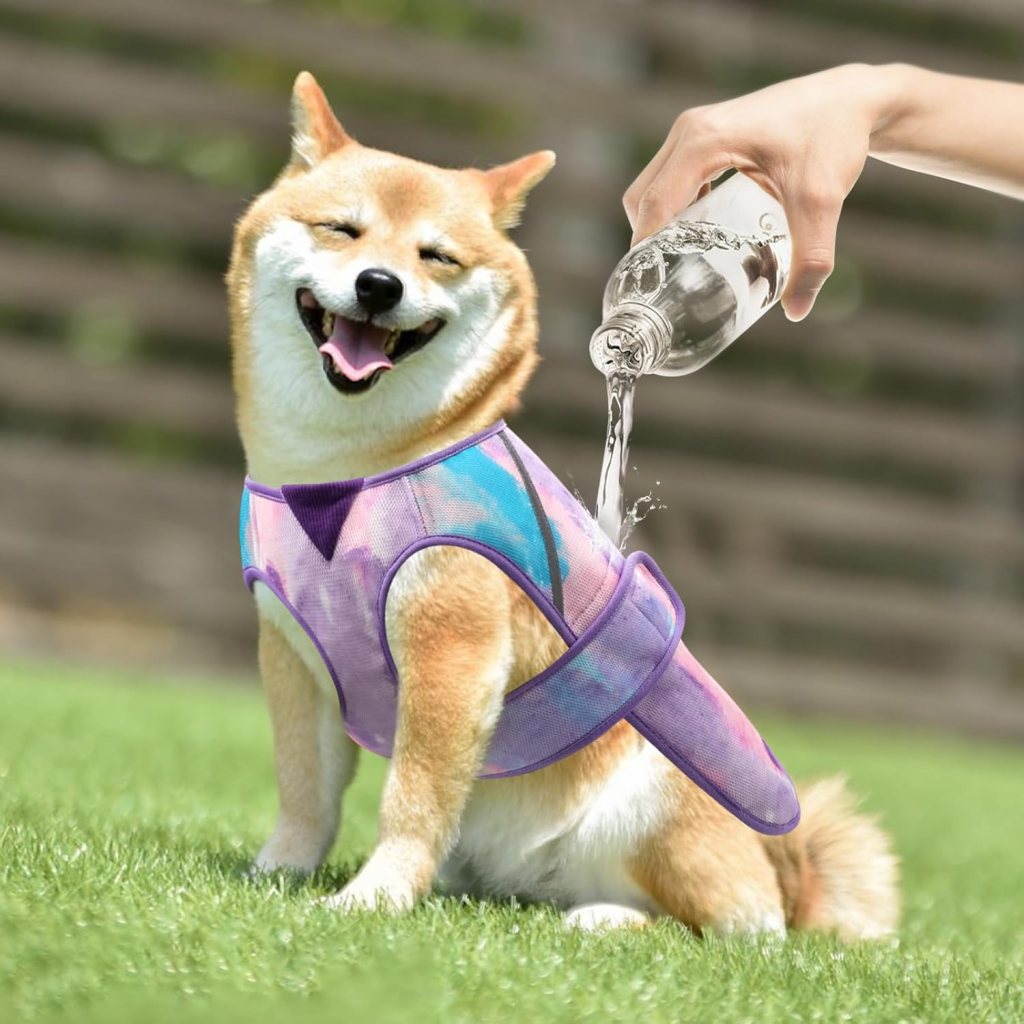
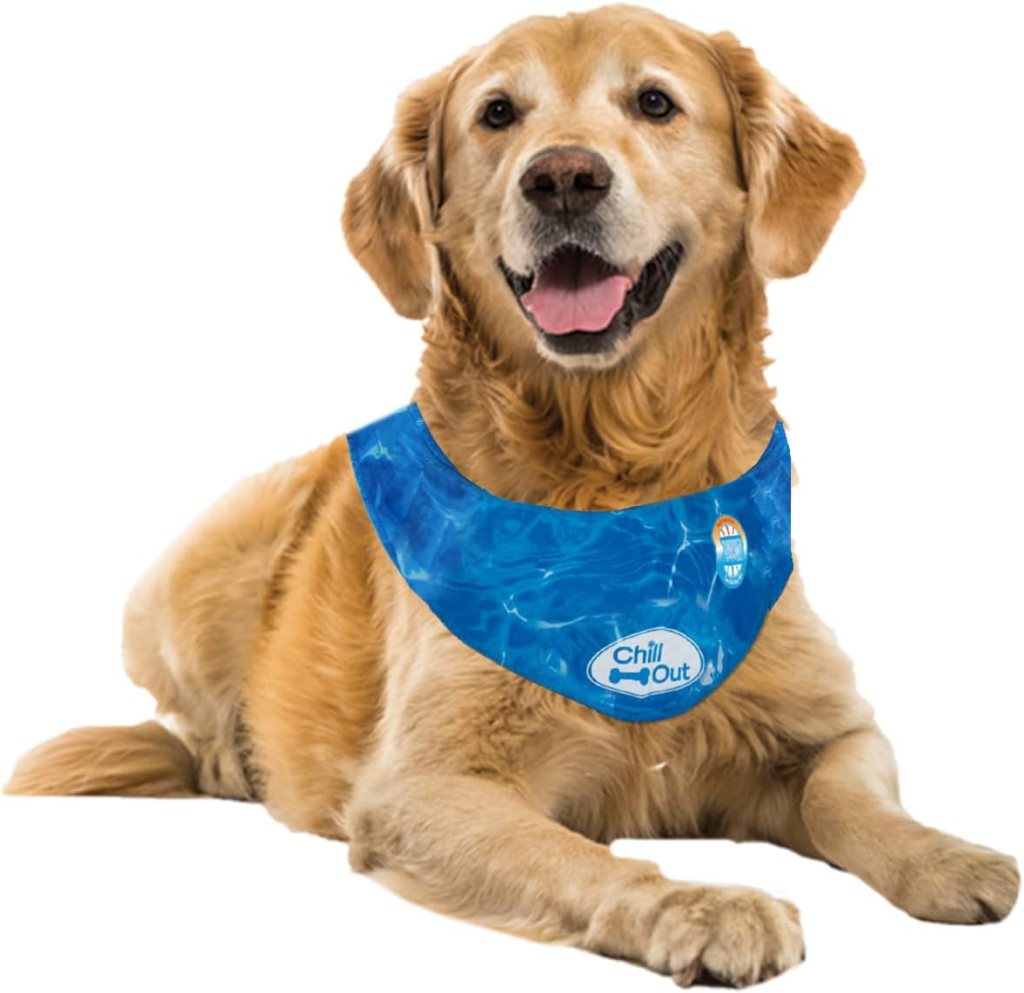
• Use a cooling vest if your dog is at high risk or not accustomed to the heat. These vests can keep your dog cool for 1–2 hours, just remember to check regularly to ensure it’s still effective.
• Brush out excess undercoat. Many dogs don’t shed efficiently and need help staying cool.
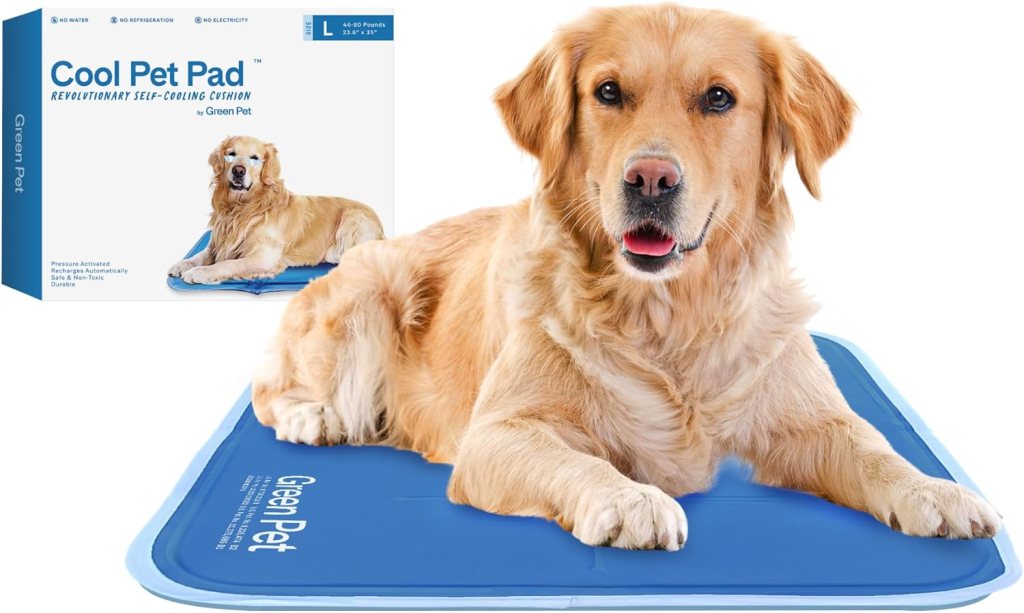
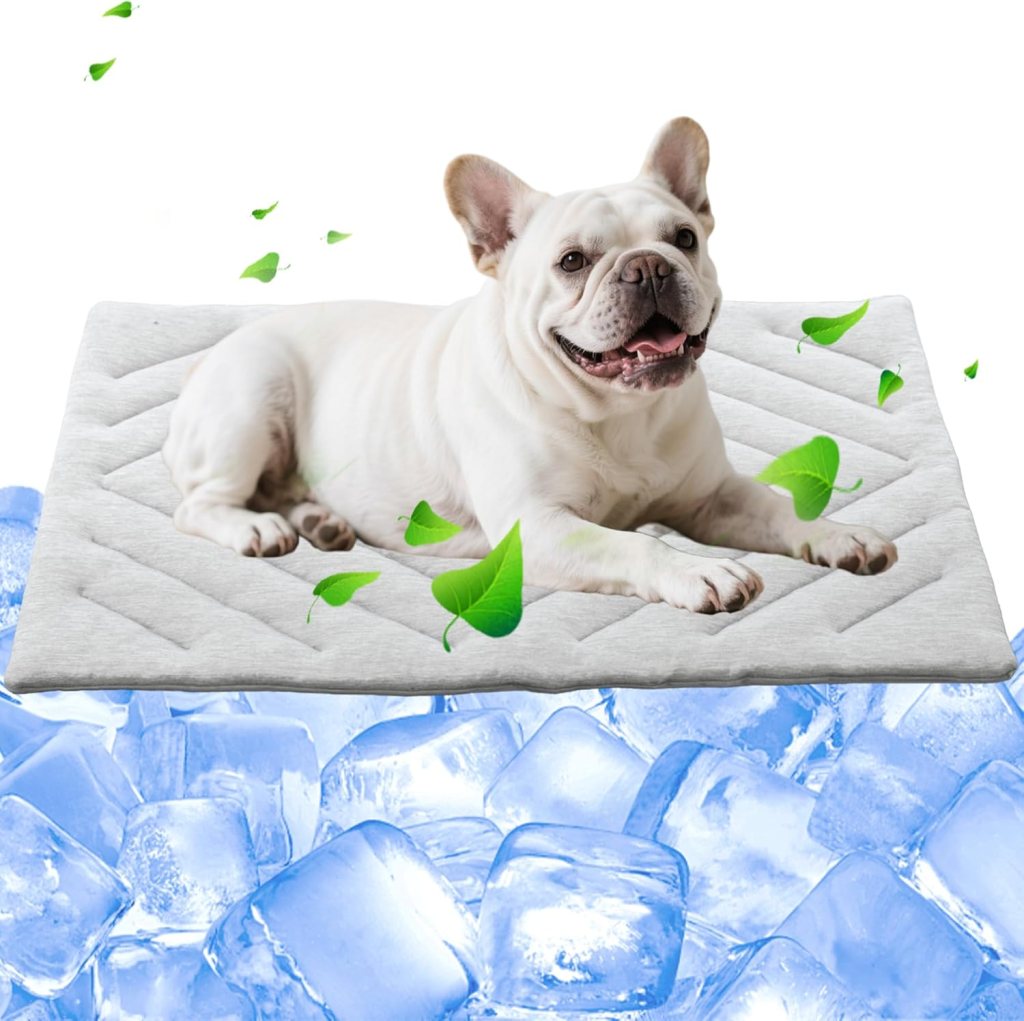
• Use cooling mats, especially if your car or home lacks air conditioning. Mats with special cooling gel work better than ones that rely on being wet.
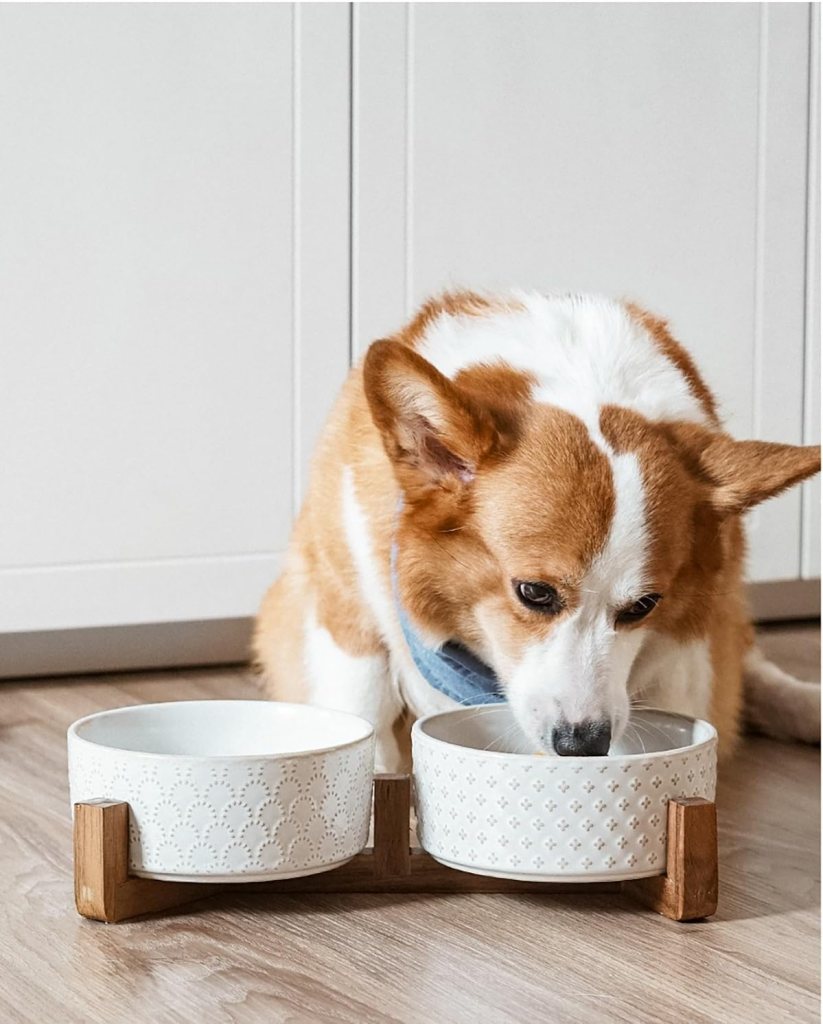
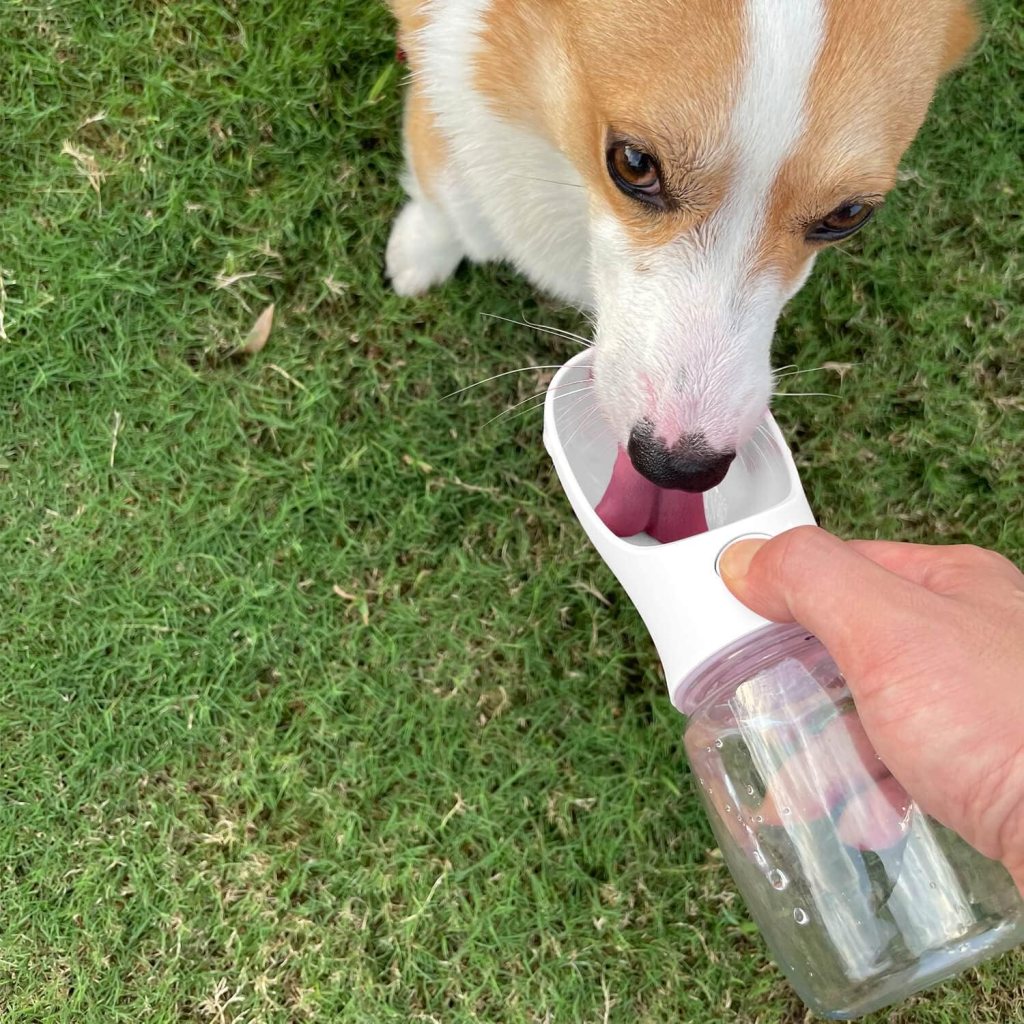
• Change your dog’s water more often and keep it fresh and cool, dogs need more hydration in the heat.
• Use a comfortable muzzle if needed, make sure it allows your dog to open its mouth and stick out its tongue.
• NEVER leave your dog in a parked car, even for a few minutes, even in the shade, even with the windows cracked.
How to Tell If Your Dog Needs Help
Recognizing early signs of heatstroke is crucial. Symptoms may not appear immediately, some can take 2–3 hours to show. Watch for these signs, in order of severity:
1. Early signs:
• Disinterest in treats or playing
• Slowing down during a walk, lagging behind, or lying down in shaded areas
• Seeking to rest rather than continue walking
2. Moderate warning signs:
• Tongue appears unusually bright or dark
• Red, inflamed gums or mucous membranes
• Rapid breathing that doesn’t slow after rest
• Elevated body temperature
3. Severe signs:
• Labored, shallow breathing with fullbody trembling
• Very dark or pale gums
• Heavy drooling, possibly refusing water
• Weakness, unwillingness to move
4. Emergency signs:
• Muscle tremors or seizures
• Loss of coordination or consciousness
• Fearful or dazed expression
👉 In any case of doubt, call your vet immediately. It’s always better to be safe than sorry.
Final Words
Summer is a wonderful time to enjoy with your furry friend, as long as you know how to recognize the signs of overheating and how to keep your dog safe. Stay informed, stay prepared, and enjoy every sunny moment with your fourlegged companion!
Wishing you and your dog a safe and happy summer no matter the weather!
Loved this post? Subscribe to Cozy Daily Guide and never miss our latest tips, trends, and ideas.
You can explore our curated links below and find something that perfectly fits your needs:

 CozyDailyGuide
Leave a comment