How to Choose the Right Birdhouse to Attract Nesting Birds
Thinking about adding a birdhouse or nesting box to your yard? It’s a wonderful way to support local wildlife and turn your outdoor space into a bird‑friendly haven. If you’re unsure where to start or how to pick the perfect birdhouse, this guide explains everything you need to know.
Common Species That Use Nest Boxes
Not all birds use prebuilt birdhouses, but many cavity nesting species will gladly move in if conditions are right. You might attract:
• Chickadees & Tits: Blackcapped chickadee, Blue tit, Carolina chickadee, Great tit, Tufted titmouse
• Finches & Sparrows: House finch, House sparrow, Zebra finch
• Swallows & Swifts: Purple martin, Tree swallow, Violet green swallow
• Bluebirds & Thrushes: Eastern, Western, and Mountain bluebirds; European robin
• Woodpeckers: Downy, Hairy, and Red bellied woodpeckers; Pileated woodpecker; Northern flicker
• Nuthatches: Brown headed & White breasted nuthatch
• Warblers, Flycatchers & Wrens
• Birds of Prey: Barn owl, Eastern screech owl, American kestrel
⬇️⬇️⬇️
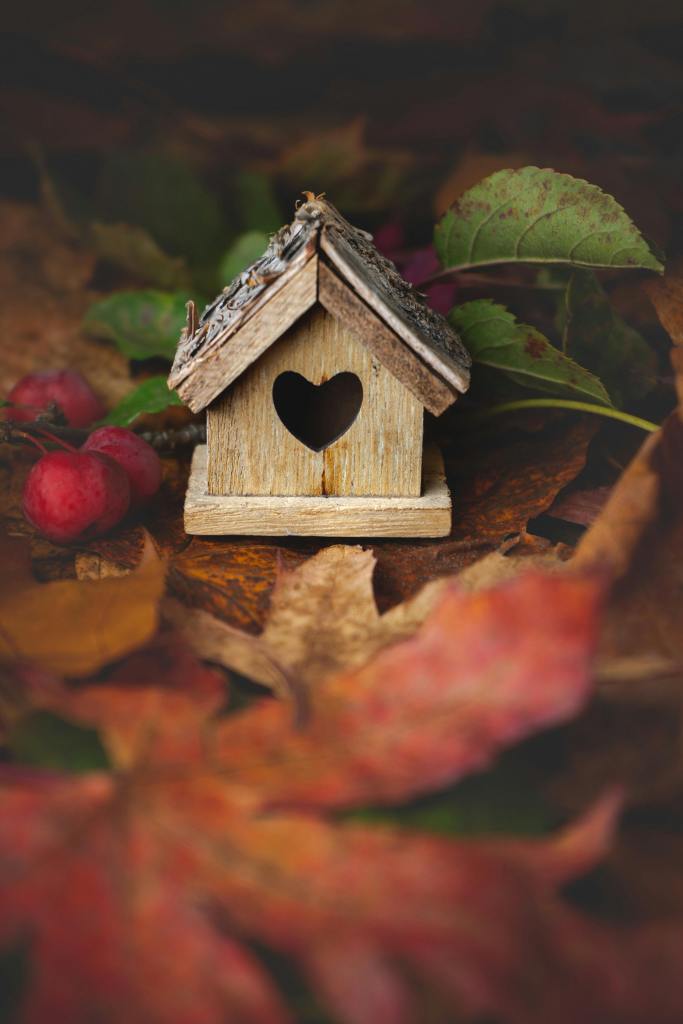
Birdhouse Materials & Design Tips
To attract nesting birds, opt for simplicity, safety, and natural materials:
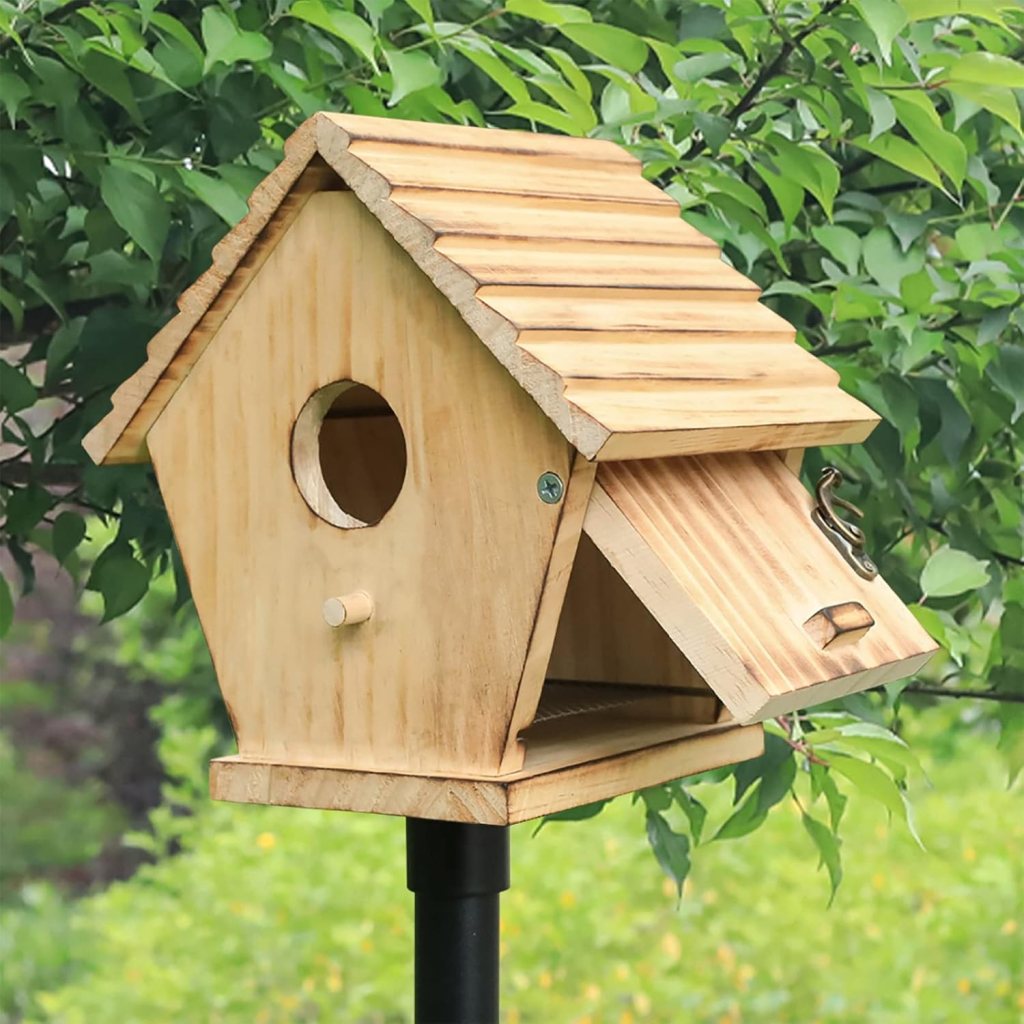
Best Choice: Natural Wood
• Provides insulation
• Regulates temperature and humidity
• Durable and non-toxic
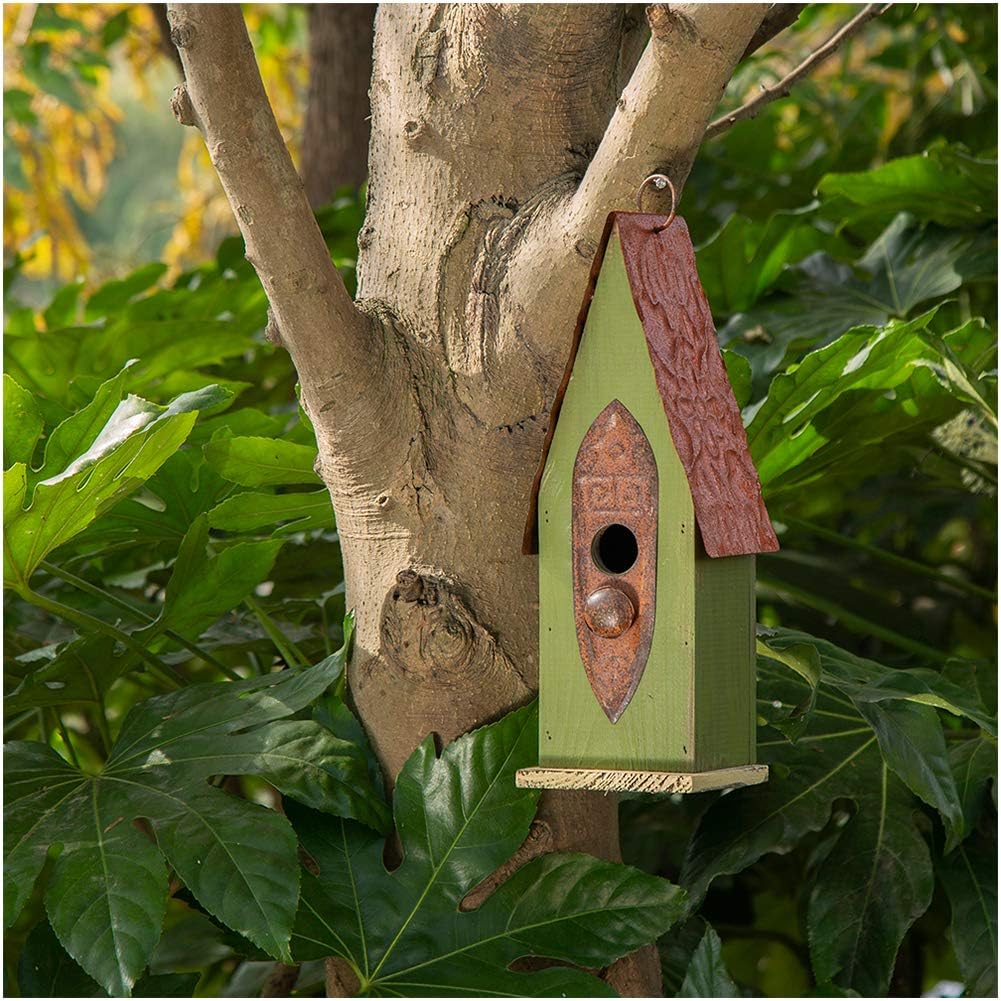
Avoid Bright Colors & Perches
• Bright paint may attract predators, stick to unfinished or natural wood
• Perches help predators access the nest, so avoid them
Be Size Specific
• Design or choose birdhouses tailored to specific species
• Correct entrance hole diameter, interior volume, ventilation, and drainage are key for safety and comfort
⬇️⬇️⬇️
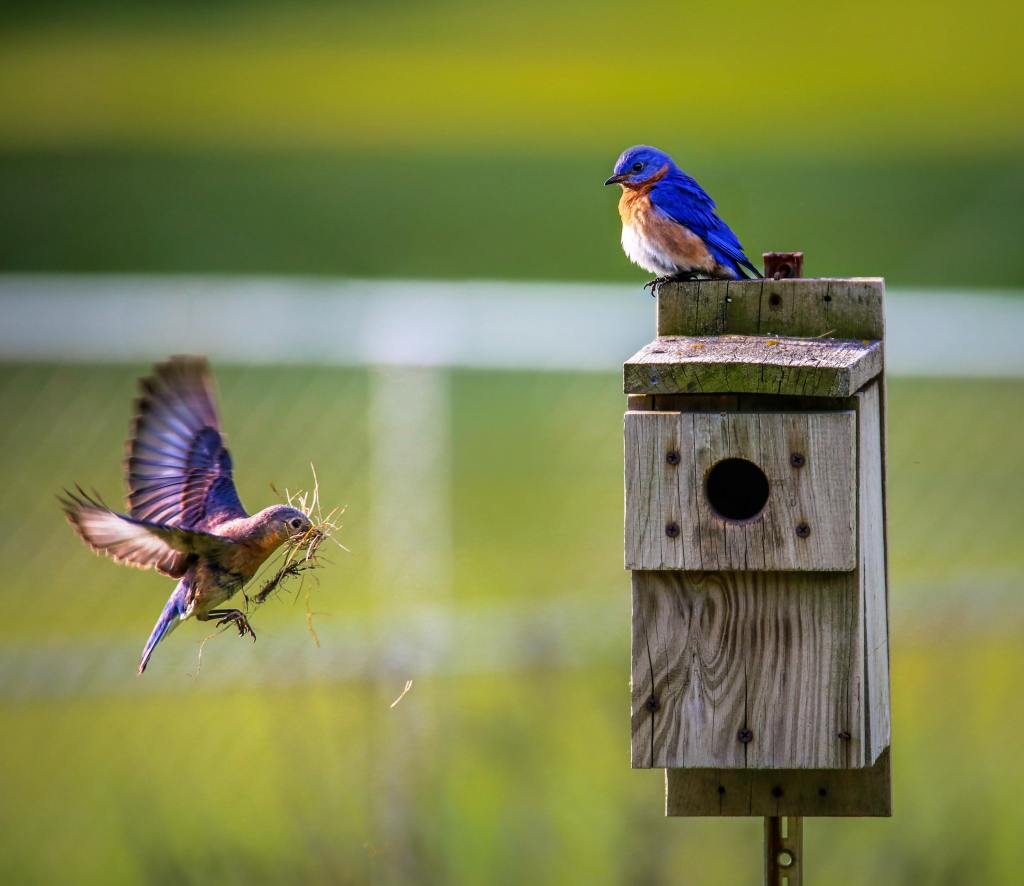
Proper Placement of Your Birdhouse
• Best time to install: Fall or winter, giving birds time to discover it before nesting season
• Positioning: Mount with entrance hole slightly tilted downward to shield from rain and wind
• Height: Follow species specific recommendations (e.g. bluebirds around 4–6 ft, owls at 10–20 ft)
• Predator protection: Avoid easy access for raccoons, snakes, or rodents
• Spacing guidelines: No more than two birdhouses per species per acre to prevent territorial conflicts
How to Attract Birds to Your Birdhouse
While birdhouses help, additional efforts improve your chances of attracting nesting birds:
Offer Food
• Black oil sunflower seeds are loved by many species
• Mealworms for bluebirds, suet for woodpeckers, etc., help support chick rearing
Provide Water
• A fresh birdbath or moving water fountain near the nesting box increases appeal
Create Shelter
• Plant evergreens, shrubs, or native vegetation to provide cover and nesting materials (twigs, moss, leaves)
Go Natural
• Avoid using pesticides or chemicals that harm insects, these are important food sources for birds
Respect Privacy
• Once nesting begins, observe from a distance, disturbance can cause birds to abandon the nest
⬇️⬇️⬇️
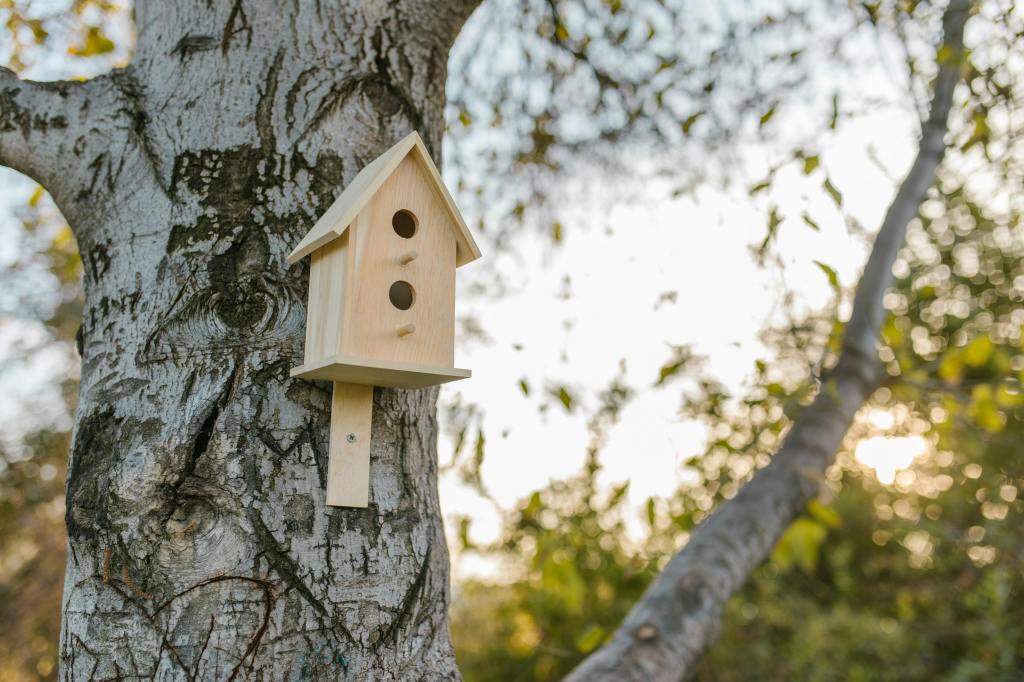
Adding Nesting Material (With Caution)
While it’s tempting to supply nesting materials, many birds prefer to gather their own:
• Avoid over supplying, too much material is often ignored
• Add coarse sawdust or wood chips only for species that require minimal lining, such as woodpeckers or owls
• Ensure materials are safe, breathable, and won’t harm hatchlings
Caring for Your Birdhouse Year After Year
To ensure nesting success each season:
• Clean after breeding season: Remove old materials and scrub with mild bleach solution; rinse thoroughly and dry completely
• Mid season cleaning: Only clean after chicks have fledged
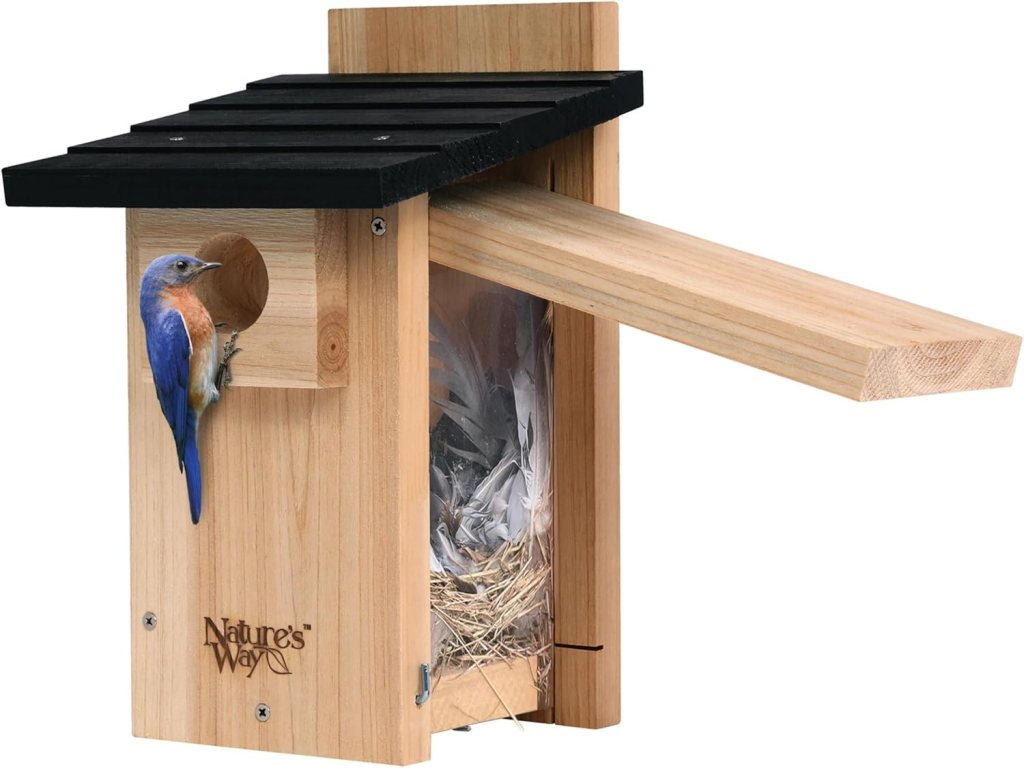
• Opt for opening panels: Birdhouses with side access make cleaning easier
• Keep the birdhouse up year round: Birds may use it for roosting or shelter even outside breeding season
⬇️⬇️⬇️
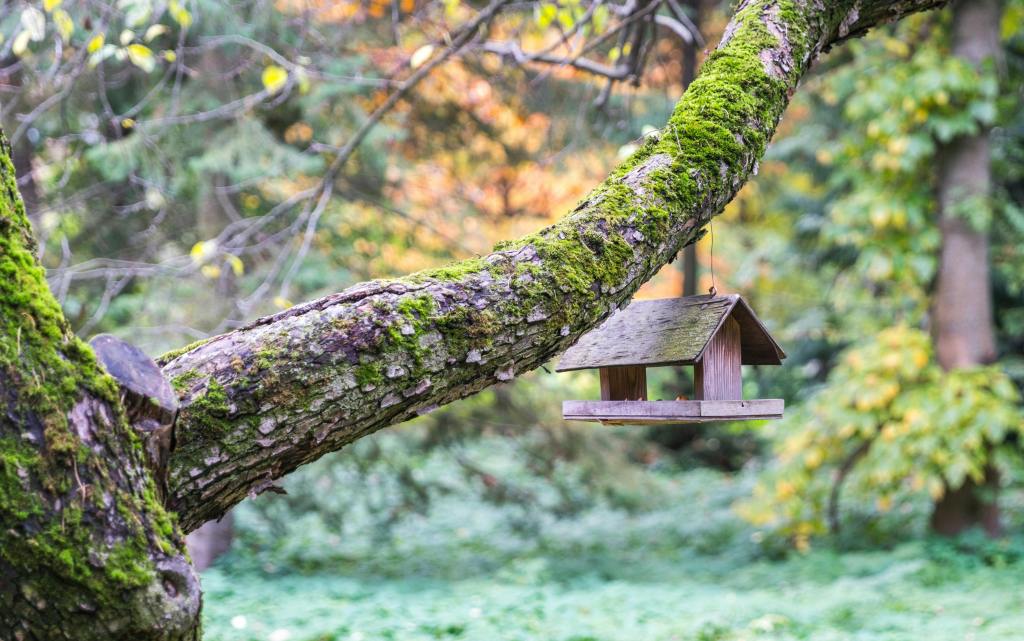
Being a responsible bird landlord doesn’t require advanced skills, just some planning and care. By selecting the right materials, positioning your birdhouse thoughtfully, and providing food, water, and protection, you can help nesting birds thrive season after season. Whether you’re attracting bluebirds, titmice, or owls, creating a bird friendly yard is a rewarding way to support nature and bird watching!
You can explore our curated links below and find something that perfectly fits your needs:
 CozyDailyGuide
Leave a comment