
Sun protection is essential for maintaining healthy skin and preventing skin damage or skin cancer. Among various sun protection methods, SPF (Sun Protection Factor) plays a vital role. Understanding what SPF is, how it works, and how to choose the right sunscreen can make a significant difference in your skin care routine. This comprehensive guide will explore everything you need to know about SPF, including its benefits, how to select the best sunscreen, and tips for safe sun exposure.
What Is SPF?
SPF, or Sun Protection Factor, is a measure of a sunscreen’s ability to protect your skin from ultraviolet B (UVB) rays—the type of ultraviolet radiation that causes sunburn and contributes to skin cancer. The SPF number indicates how long you can stay in the sun without getting sunburned compared to unprotected skin.
For example, if your skin normally begins to burn after 10 minutes of sun exposure, applying a sunscreen with SPF 30 theoretically allows you to be exposed to the sun for 30 times longer (up to 300 minutes) without burning. However, actual protection can vary based on factors like skin type, application thickness, and sun intensity.
How Does SPF Work?
SPF works by either reflecting, scattering, or absorbing UV rays before they penetrate your skin. A higher SPF blocks more UVB rays, providing greater protection. For instance:
SPF 15 filters approximately 93% of UVB rays.
SPF 30 filters about 97%.
SPF 50 filters about 98%.
While higher SPF sunscreens offer more protection, no sunscreen can block 100% of UV rays. Moreover, the effectiveness depends heavily on proper application.
⬇️⬇️⬇️

Why Is SPF Important?
UV radiation from the sun can lead to immediate effects like sunburn and longterm consequences such as premature aging, sunspots, and increased risk of skin cancer, including melanoma (the deadliest form of skin cancer. Protecting your skin with appropriate SPF broad spectrum sunscreen reduces these risks significantly.
How to Choose the Right SPF
Selecting the right SPF depends on your skin type, the intensity of sun exposure, and your activity level. Here are some guidelines to help you choose:
Fair Skin: People with lighter skin tones are more prone to sunburn and should use SPF 30 or higher.
Dark Skin: While darker skin has more melanin (which offers some protection), it’s still essential to use SPF 15–30 to prevent long term damage.
Extended Sun Exposure: If you plan to spend hours outdoors, opt for SPF 50 or higher.
Water and Sweat Resistance: For swimming or sweating, choose water resistant formulas to ensure protection during activity.
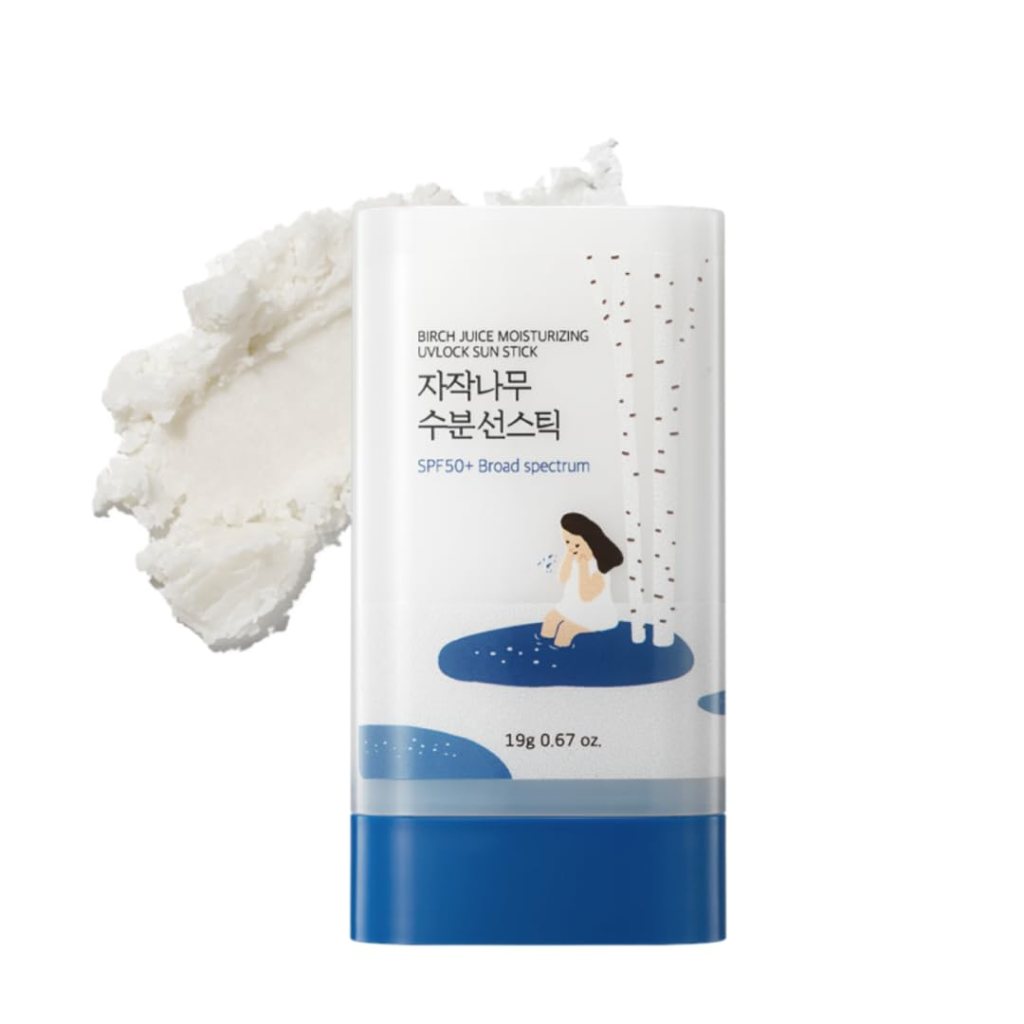
Broad Spectrum Protection: Always opt for sunscreens labeled “broad-spectrum,” indicating protection against both UVA and UVB rays.
How to Properly Apply Sunscreen
Even the best SPF product won’t work if not applied correctly. Follow these steps for optimal protection:
Apply Generously: Use about 1 ounce (a shot glass full) for full-body coverage.
Cover All Areas: Don’t forget ears, the back of the neck, feet, and behind the knees.
Apply Before Sun Exposure: Apply sunscreen 15–30 minutes before heading outdoors.
Reapply Regularly: Reapply every two hours or immediately after swimming, sweating, or towel drying.
Combine with Other Protection: Use hats, sunglasses, and protective clothing for additional safety.
⬇️⬇️⬇️

Common Myths About SPF
Higher SPF means all-day protection: Not true. All SPF sunscreens need reapplication and have limits based on activity and exposure.
SPF 15 is enough for daily use: Daily protection can be achieved with SPF 15–30, but higher SPF offers extra safety during prolonged outdoor activities.
Sunscreen is only for sunny days: UV rays penetrate through clouds and windows, so daily use is recommended.
Special Considerations
Sensitive Skin: Choose sunscreens with mineral ingredients like zinc oxide or titanium dioxide to minimize irritation.
Children and Babies: Use mineral sunscreens with high SPF and avoid chemical filters that may irritate delicate skin.
Medications: Some medications increase sun sensitivity. Consult your doctor and use higher SPF and additional protection.
Benefits of Using SPF and Sunscreen Regularly
Prevents Sunburns: Avoid painful sunburns that can damage your skin in seconds.
Reduces Skin Aging: Sunscreen prevents wrinkles, fine lines, and age spots caused by UV rays.
Lowers Skin Cancer Risk: Regular use diminishes the chance of developing melanoma and other skin cancers.
Maintains Even Skin Tone: Prevents sunspots and hyperpigmentation, which can be difficult to treat.
⬇️⬇️⬇️

Natural Alternatives to Sunscreen
While commercial sunscreens are effective, some people prefer natural alternatives. These options may offer limited protection but can be useful in certain situations:
Physical Barriers: Wearing protective clothing, wide brimmed hats, and sunglasses remains one of the best natural defenses against UV rays.
Natural Oils: Some natural oils like coconut oil, carrot seed oil, and raspberry seed oil are believed to have minor SPF properties. However, they do not provide reliable or sufficient protection for prolonged sun exposure.
Shade and Timing: Seeking shade during peak hours (10 a.m. to 4 p.m.) and avoiding prolonged exposure is a natural way to protect your skin without sunscreen.
The Future of Sunscreen Technology
Innovations in sun protection are ongoing. Researchers are developing more effective, skin friendly, and environmentally safe sunscreens, including:
Mineral based sunscreens: Offer UVA and UVB protection without chemical filters, suitable for sensitive skin.
Reef safe formulations: Designed to minimize environmental impact, especially for coral reefs.
Long lasting products: Formulated for extended protection with fewer reapplications.
Smart sunscreens: Incorporating sensors or indicators to monitor UV exposure levels.
Your Skin’s Best Defense
Protecting your skin from harmful UV radiation is essential for maintaining long term skin health and preventing skin cancer. Choosing the right SPF, applying it correctly, and combining it with other protective measures (like clothing, shade, and timing), can significantly reduce your risk and keep your skin looking youthful and healthy.
Remember: No sunscreen can provide 100% protection, so be vigilant and make sun safety a daily habit. Whether you’re heading to the beach, out for a run, or simply walking your dog, don’t forget to put on your SPF! Your skin will thank you for it.
⬇️⬇️⬇️

Enjoyed this article? Subscribe to Cozy Daily Guide to get more inspiration, tips, and curated finds delivered straight to you.
You can explore our curated links below and find something that perfectly fits your needs:
 CozyDailyGuide
Leave a comment